


KATHMANDU – Nepal’s Department of Food Technology and Quality Control has advised children, pregnant and breastfeeding women, people with diabetes and other medical conditions, and individuals sensitive to caffeine to avoid energy drinks.
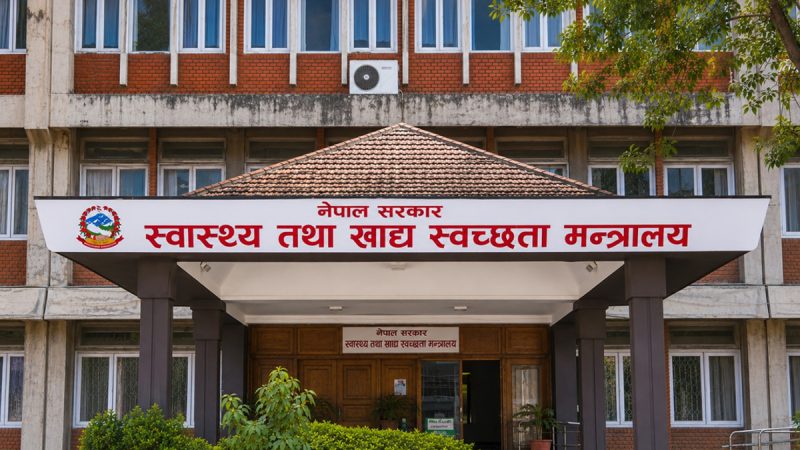
The department, under the Ministry of Health and Food Safety, issued the advisory while providing information to consumers, manufacturers and other stakeholders about the safe consumption of energy drinks. It has also recommended that people who can consume these beverages limit their intake to no more than two cans a day.
According to the department, 17 industries in Nepal are currently producing and distributing energy drinks with authorization from the relevant authorities. Product labels and laboratory analysis reports indicate that the beverages contain 100 milligrams of caffeine per can.
The department cited scientific assessments by the European Food Safety Authority (EFSA) and the US Food and Drug Administration (FDA), which identify up to 400 milligrams of caffeine a day from all food and beverage sources as an amount generally not associated with adverse effects for most healthy adults. The department said the caffeine content in domestically produced energy drinks is below 25% of that daily reference level per can.
The department has also advised consumers not to use energy drinks as substitutes for nutritious beverages such as water, juice, milk and buttermilk. It has discouraged mixing energy drinks with other beverages.
Manufacturers and sellers have been asked to obtain the required permissions under existing laws before advertising or promoting their products. They have also been urged to display warning messages and safe-consumption information clearly on product labels.
The department said it would continue to prioritize food hygiene and quality standards and urged stakeholders to communicate information about food quality based on scientific evidence and international standards.
Businesses found to be operating in violation of Nepal’s Food Hygiene and Quality Act, 2024, will face action in accordance with the law, the department said.



Comments
Share your opinion or feedback. Please keep comments respectful and constructive.