


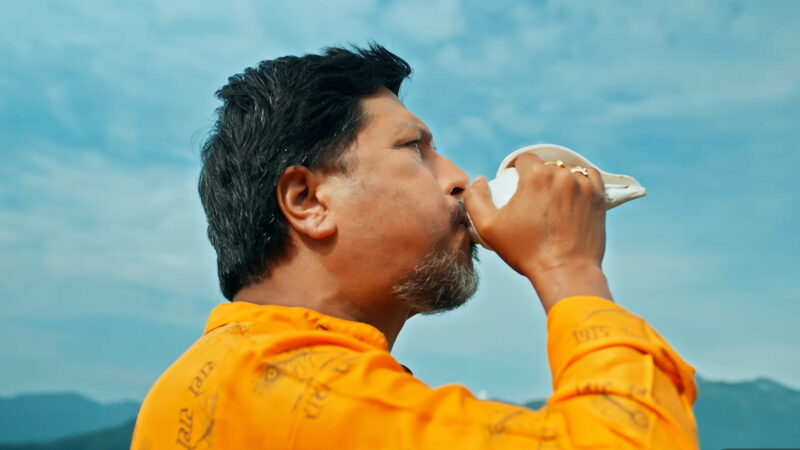
Not every film sequel needs to deliver a definitive climax or resolution. What matters is how effectively it builds an engaging, credible story driven by conflict. Since sequels are connected to the stories that came before them, they can also explore how characters and their surroundings change over time.
Nepali Dashain release ‘Chha Maya Chhapakkai 2’ takes this approach, examining society and politics through a contemporary lens. The result is a moving and engaging film that builds on the foundations of its predecessor.
Adding a number to a film’s title does not automatically make it a meaningful sequel. ‘Chha Maya Chhapakkai 2’, however, earns the distinction through its narrative continuity, character development and visual storytelling.
Released seven years after the first instalment, the sequel revisits a story that brought together two characters of different ages in a romantic relationship. The original film went beyond personal desire and marriage, connecting romance to village society, political interests, generational differences and community problems.
It also showed how a local issue, such as water scarcity, could shape social relationships and political interests. Along the way, it explored contradictions within Nepali society.
The second instalment circles back to these themes while presenting a changed social and political landscape. Seven years on, the characters face new circumstances, ambitions and frustrations. The story retains its connection to the original while exploring a different pace and dimension.
A protagonist caught between family and politics
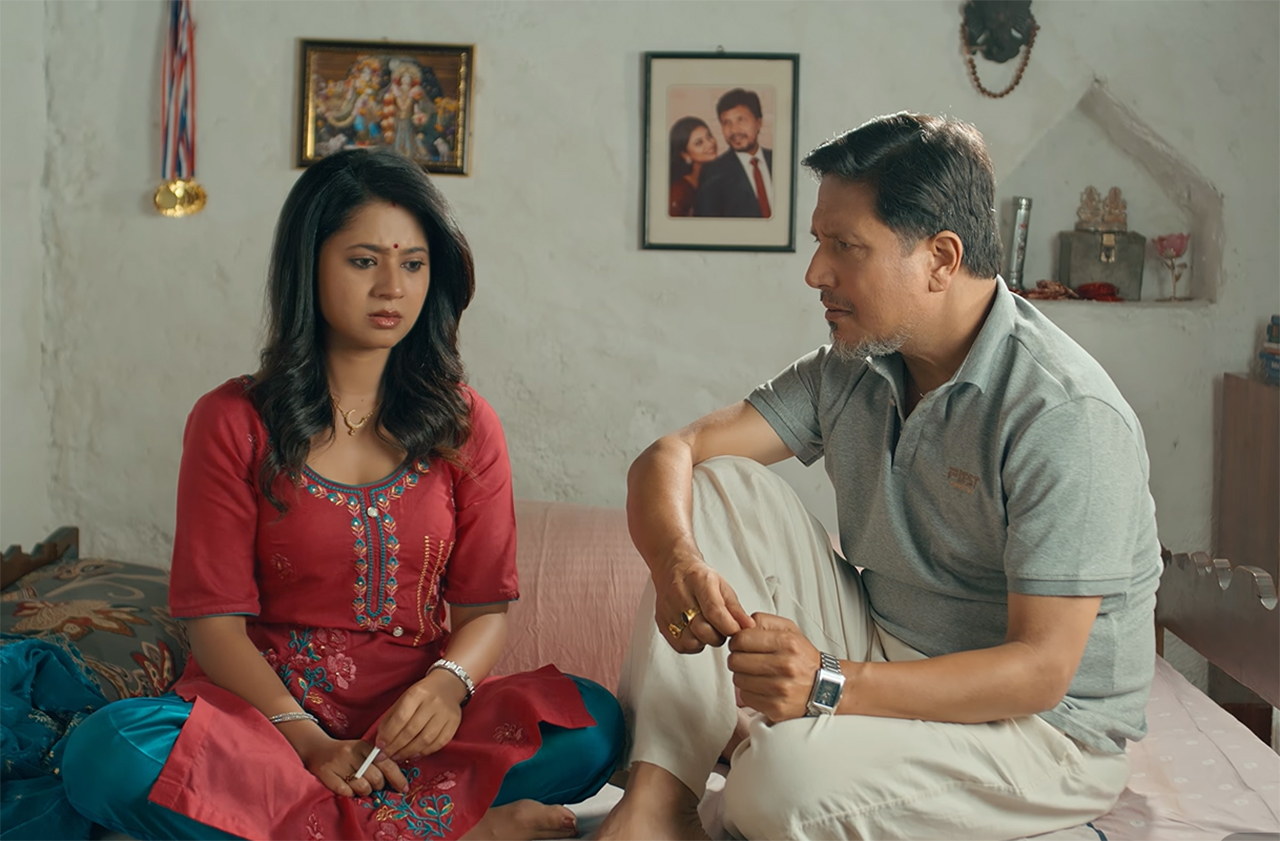
At the centre of the sequel is the protagonist’s dilemma. Played by Deepak Raj Giri, he faces two competing paths: returning to politics to follow in his father’s footsteps or supporting his wife’s dream of settling abroad by becoming a gharjam (a husband who moves into his wife’s family home).
The choice places him between conflicting expectations. Can he overcome the obstacles created by his uncertainty? Should he become a dutiful son or a supportive husband? Or will he follow his mother’s values and, like Krishna in the Mahabharata, find a way to balance competing sides?
The abundance of conflict confronting the protagonist is one of the sequel’s strengths. Rather than relying on a narrow central problem, the film gives its lead character and the supporting cast their own struggles and lived experiences. This keeps the audience curious about how the story will unfold.
The balance between direction and screenplay is another significant strength.
A pointed commentary on contemporary politics
Through the character of a comrade and his political party, director Dipendra Lama questions how left-wing parties that once promised revolution in the name of the people and the nation have moved away from their principles.
The film examines how such parties have become detached from citizens’ concerns and how honest politicians can be sidelined within their own organisations.
These are pressing questions in contemporary Nepali politics. The predicament of principled politicians who emerged from revolutionary movements, only to find themselves marginalised within their parties, forms a particularly significant part of the film’s political commentary. They are left wondering whether to remain loyal to their ideals or continue within organisations that may no longer reflect them.
Lama brings these questions to the screen through his directorial approach, linking personal uncertainty with broader political and social tensions.
Deepak Raj Giri’s strength as a screenwriter
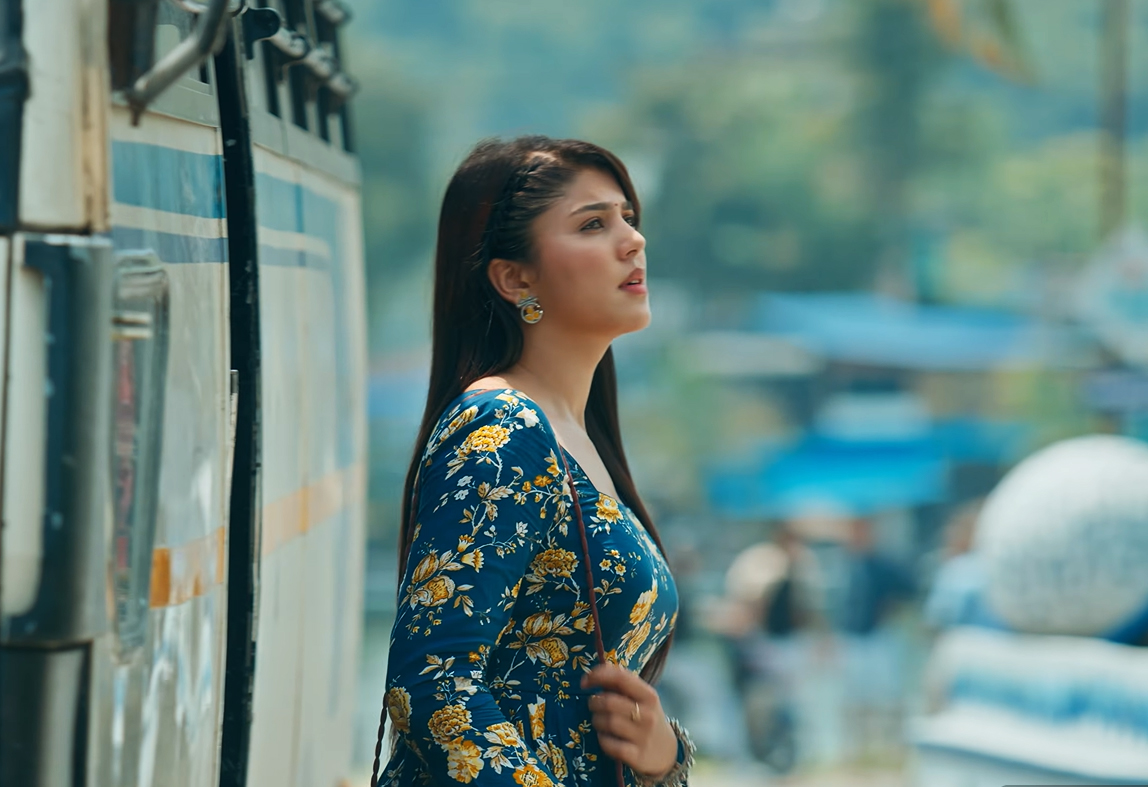
The sequel also reinforces Deepak Raj Giri’s credentials as a screenwriter, alongside his established acting career. Although he has written films before, his work here stands out for the way he shapes the story into a screenplay rich in conflict and character choices.
The film is best understood as a complete work rather than divided into a first half and a second half. Although commercial cinemas commonly schedule an interval, the narrative’s value lies in how its different elements come together. Chha Maya Chhapakkai 2 remains engaging when viewed as a whole and has the potential to offer audiences a rewarding Dashain entertainment experience.
Performances that strengthen the story
Giri, Keki Adhikari, Sanisha Bhattarai, Ryhan Giri and Nirmal Sharma deliver commendable performances. Adhikari is particularly impressive, bringing considerable strength to her role across all three acts of the film.
Ryhan, the Bhutanese actor and singer who established himself as an emerging rock performer through ‘The Voice of Nepal’, is another highlight. His acting suggests the potential for a promising future on screen.
The film’s technical craft also deserves attention. Cinematography, editing, casting, set design, costumes and background sound contribute to its overall visual and cinematic appeal.
An ending that leaves room for more
The way the film concludes creates curiosity about another instalment. A release during Dashain 2084 in the Nepali calendar has been mentioned, although the timing of a future release remains a matter of production and distribution planning.
Whenever it arrives, the prospect of another chapter gives audiences something to anticipate.
Nepali cinema has produced relatively few films that directly engage with the country’s social and political realities. Among them, ‘Chha Maya Chhapakkai 2’ stands out as an engaging work that combines social observation, political questions, family conflict and entertainment.








Comments
Share your opinion or feedback. Please keep comments respectful and constructive.