

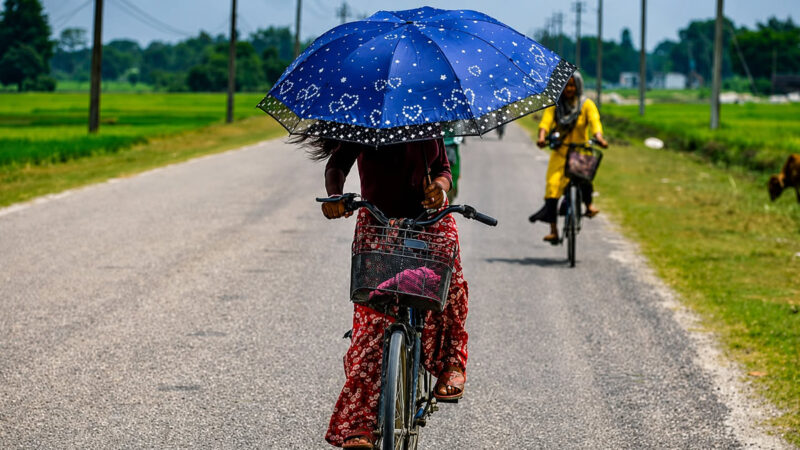
KATHMANDU – Nepal is warming faster than other South Asian countries, with its average temperature already 1.26 degrees Celsius above pre-industrial levels, according to a new World Bank report.
The World Bank’s 2026 report, A Livable Future: Protecting Jobs and Growth from Extreme Heat in South Asia’s Cities, said temperatures in Nepal are rising rapidly compared with other countries in South Asia.
According to the report, Nepal’s average temperature has already increased by 1.26 degrees Celsius compared with the pre-industrial period of 1850-1900.
The rising heat has placed Nepal among the fastest-warming countries in the region, the report said. If current conditions persist, the country’s temperature is projected to rise by a further 2.8 degrees Celsius by the end of this century.
The impact of rising temperatures is expected to be particularly pronounced in the Himalayan region and lower hill areas. Higher temperatures are expected to alter regional weather patterns, increase atmospheric humidity and intensify extreme heat across the Indo-Gangetic Plain.
Kathmandu currently experiences fewer days of extreme heat than the Tarai. However, the report warned that high-altitude cities across South Asia will also face dangerous levels of heat stress in the future.
According to the World Bank, extreme heat is reducing the capacity of workers engaged in physical labour, particularly in construction, agriculture and the informal sector. This is gradually reducing Nepal’s economic productivity.
Rising temperatures are also increasing electricity demand, heating buildings and disrupting transport systems.
The report estimates that more than 700 million people in India, Bangladesh and Nepal live in areas where outdoor heat reaches levels that the human body cannot tolerate for at least one day each year.
The report said the human body’s internal temperature is about 37 degrees Celsius. Physical activity generates heat in the body, while sweating and the dilation of blood vessels near the skin help keep it cool.
However, prolonged exposure to high air temperatures, excessive humidity, sunlight or hot surfaces weakens the body’s ability to dissipate heat and regulate its temperature.
By 2070, around 520 million people in South Asia are expected to experience severe heat for at least one month every year, according to the report. Most of the impact will be concentrated in cities. Temperatures are also expected to rise rapidly across the Himalayas and their foothills.
The report recommended strengthening Nepal’s electricity network to cope with extreme heat, including upgrading the grid, deploying renewable energy with battery storage and ensuring high-priority electricity supplies for essential services.
It also said low-cost measures could reduce heat risks in the Tarai and Kathmandu Valley, including shaded bus stops, cool pavements, tree-lined streets and improved infrastructure for pedestrians and cyclists.




Comments
Share your opinion or feedback. Please keep comments respectful and constructive.