



KATHMANDU: A glacial lake outburst in northern Bhutan has triggered a flash flood that damaged infrastructure at the Gasa Tshachu natural hot springs, while authorities in neighbouring Indian states of West Bengal and Assam have issued flood warnings for downstream areas.
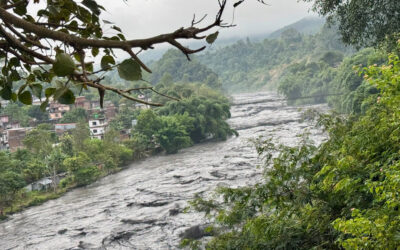
The flood was triggered by a sudden release of water from Shintaphu Lake in Bhutan’s Gasa district on Thursday evening, according to media reports. No casualties have been reported, as the affected area had been evacuated before the floodwaters arrived.
Bhutan’s state broadcaster, Bhutan Broadcasting Service (BBS), reported that the full extent of the damage at Gasa Tshachu was not immediately known because of darkness and the strong flow of water. Two Bailey bridges may also have been swept away, it said.
Gasa Tshachu is a popular natural hot-spring destination in northern Bhutan, a Himalayan country located between India and China. The area was also hit by a flash flood in 2021, when the Mochhu River changed its course and inundated the hot-spring site.
Bhutan’s national newspaper, Kuensel, reported that part of the road leading to Laya village, where the hot springs are located, had been washed away. The road has become impassable, and traffic has been suspended indefinitely.
Floodwaters have also reached Srigang in Kabesa Gewog, around eight kilometres from Punakha Dzong, according to reports from Bhutan. The flooding has raised concerns about downstream river levels in neighbouring India.
West Bengal and Assam on Alert
Bhutan has alerted authorities in India’s West Bengal and Assam states over the risk of flash flooding in areas connected to the downstream river system.
Among the areas identified as being at risk are Assam’s Dhubri district and West Bengal’s Darjeeling hills, Alipurduar and Jalpaiguri districts. Authorities in Cooch Behar have also warned residents living along the Sankosh River to remain alert.
The Sankosh originates in northern Bhutan and receives water from major tributaries, including the Mochhu and Phochhu. It flows into India and eventually joins the Brahmaputra River in Assam.
Authorities in West Bengal have urged people living near the river to move to safer locations as a precaution. Indian media have also reported the deployment of disaster-response teams and the relocation of residents from vulnerable areas.
The situation remains under monitoring as authorities assess the damage in Bhutan and watch river levels downstream in India.







Comments
Share your opinion or feedback. Please keep comments respectful and constructive.