


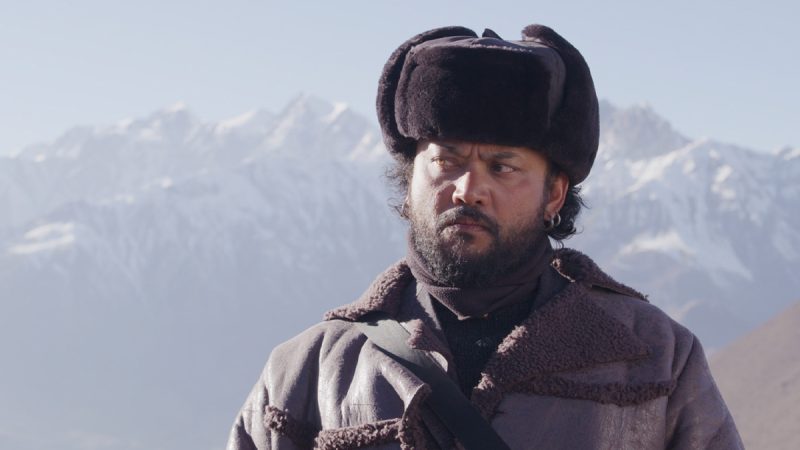
KATHMANDU: Actor Karma has rarely appeared in negative roles, but the characters he has portrayed in such roles have received an equally positive response from audiences.
He will next be seen as Prakash, an antagonist in Himalayan Gold, which is set to release on Mangsir 4. According to Karma, the character is shaped by the circumstances he faces.
Using an old-fashioned term, he describes his character as a “gangster”.
“My character has a negative shade. In the old terminology, you could call him a gangster. But I don’t look at him that way because he is a character. The character happens to act according to his circumstances,” Karma says.
“My character gets involved in activities ranging from stealing yarsagumba to other things because of the circumstances he finds himself in. In Loot, too, I played a character who robbed a bank. People ask why a character does such things. But those actions develop according to the circumstances,” he adds.
Karma says his experience working on Himalayan Gold was enjoyable.
“This is director Dheeraj Rajbanshi’s first film. Its script, the characters, including mine, and the overall approach are different. Himalayan Gold is one of the films I have wanted to work on because both its story and presentation are distinctive,” he says.
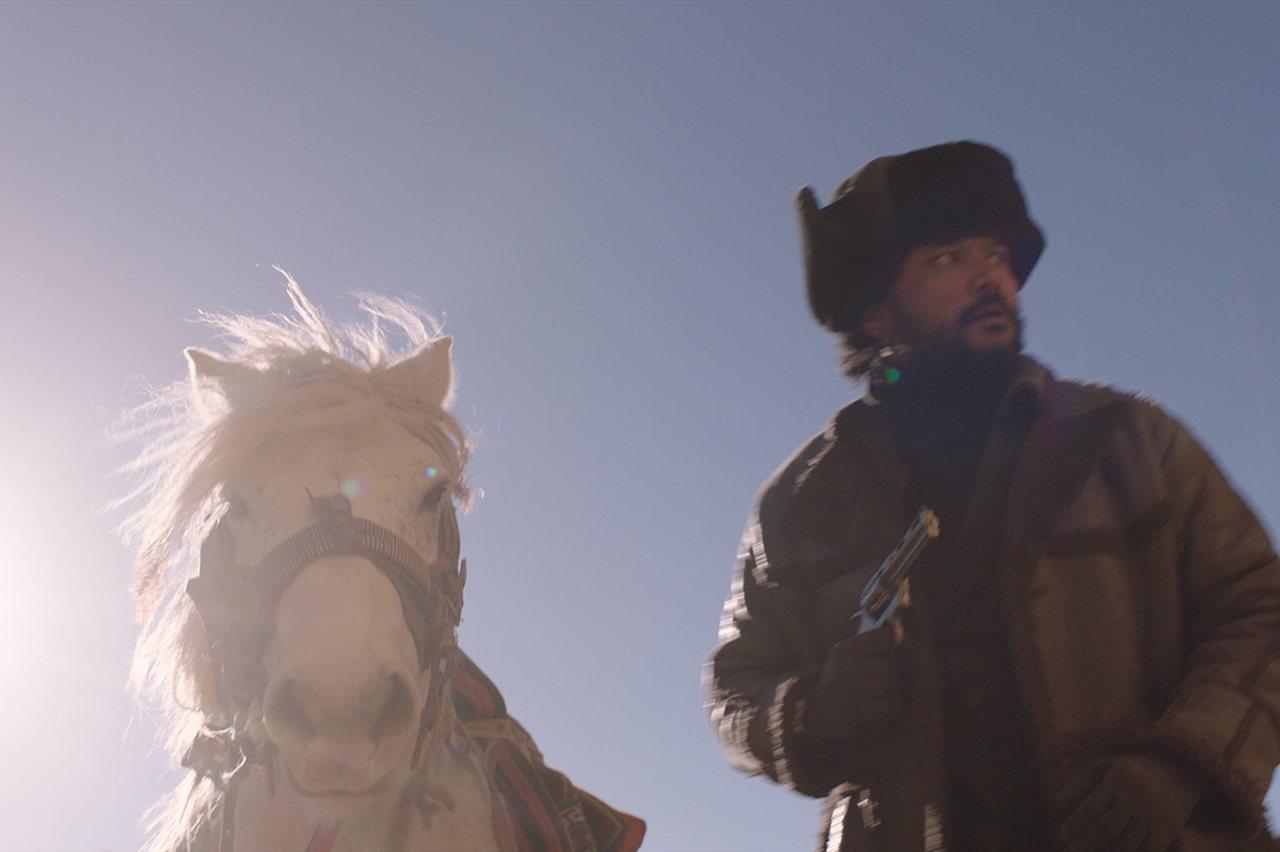
Karma had previously worked with Dheeraj’s father on the film Sher Bahadur. He says that experience also made it easier for him to collaborate with Dheeraj.
He adds that the director clearly explained the film’s approach and visual presentation while narrating the story, making it easier for him to take on the role.
Before filming Himalayan Gold, Karma had also travelled to Mustang and Dolpa. Although he had not visited the actual yarsagumba collection sites at the time, he had interacted with people who went there.
“Yarsagumba began spreading into the global market after the 1990s. I was in Dolpa during the collection season and saw large groups of people heading towards the highlands, even taking children with them, while schools remained closed,” he recalls.
He explains that children are taken along because of their sharp eyesight, which helps them spot and collect even small yarsagumba.
“When I spoke to local people, they told me that robbery and clashes used to happen in the past. Things are more organised now. The Nepal Army reaches the highlands before the yarsagumba collection season begins,” he says.
According to Karma, different groups are assigned separate areas for collecting yarsagumba. People from places such as Pokhara, Kathmandu and Surkhet also obtain permits to collect it.
“I have also seen people from outside the area fall ill because of altitude sickness after reaching the highlands,” he says.
Karma has watched documentaries about yarsagumba, including one made by Eric Valli, as well as films by other directors. He says these have given him some understanding of the subject.
“Yarsagumba is now even being used to make beverages. It is portrayed around the world as a medicinal product that provides energy,” he says.
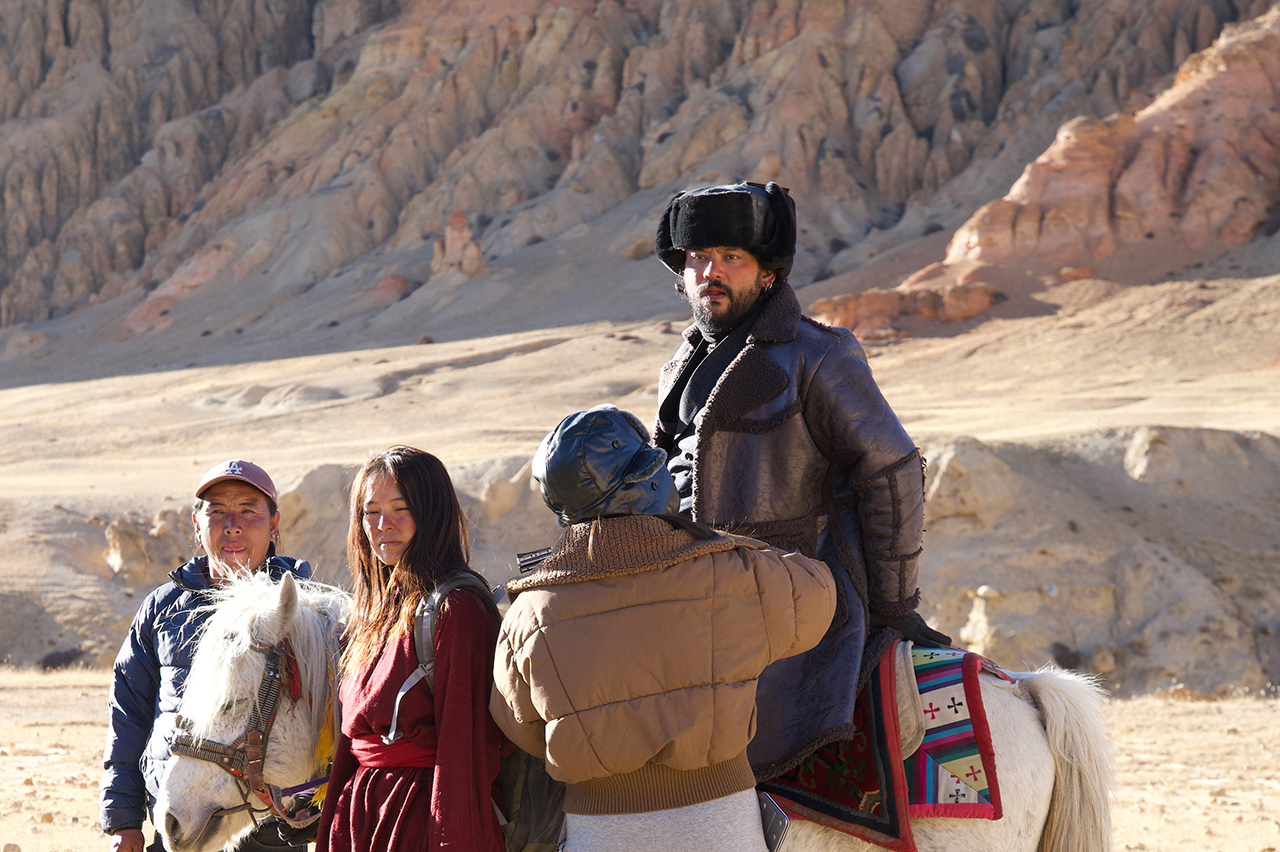
Karma recalls that Mustang’s geography made filming particularly challenging.
“We filmed in the cave shown in the trailer. It was located in a high-altitude Himalayan region. Shooting inside a cave at that elevation was challenging in itself. There were problems such as dust and a lack of oxygen. Despite these difficulties, we completed the shoot. It took us nearly five days to film the action sequences inside that cave,” he recalls.
Karma believes Himalayan Gold is worth watching because of the lead female role played by Pariksha Limbu, Sunil Thapa’s performance and the way the story is presented.
“What’s even more interesting is that the film has no songs. Himalayan Gold is a good choice for viewers who want to watch a narrative film without songs,” he says.
Produced under the banner of White Elephant Motion Pictures, the film features Karma, Pariksha Limbu, Sunil Thapa, Menuka Pradhan, Rahul Mukhia, Ankit Khadka, Sunil Tamang, Tenzing Thakuri, Sabita Adhikari and Rishikesh Basayal.
One of the film’s most emotional aspects is that it marks the final film appearance of veteran Nepali actor Sunil Thapa. Director Rajbanshi says bringing Thapa’s final performance to audiences in Nepal and India would be a fitting tribute to his contribution.
Set in the Himalayan region, Himalayan Gold is a survival thriller centred on the struggle for survival, greed and betrayal.
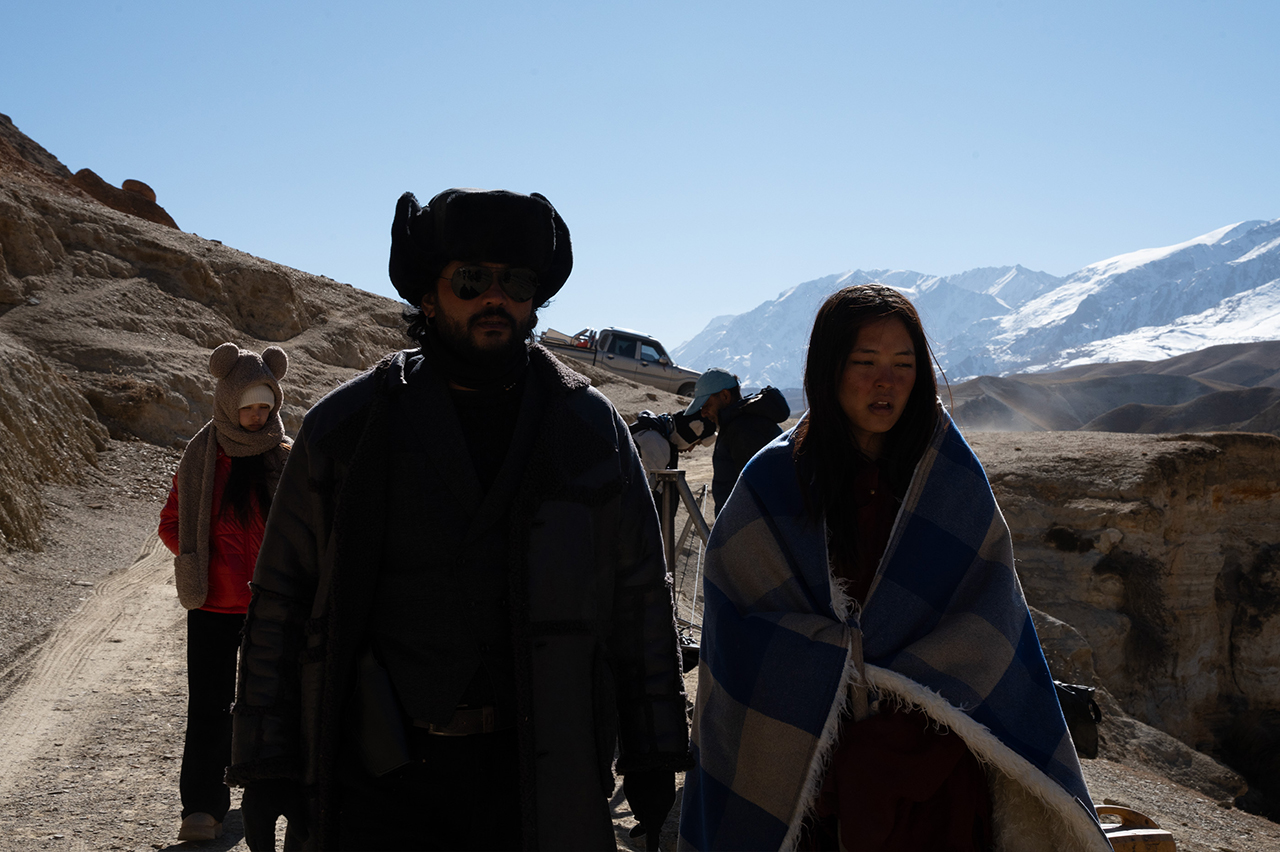
The film is produced by Min Bahadur Bham, with Shailendra D. Karki serving as line producer. Suyash Gyawali is the co-producer, while Raju Rajbanshi is the executive producer.
The story is by director Rajbanshi, while the screenplay has been written by Dipendra Gauchan and Dheeraj Rajbanshi. Bishistha Pradhan is the cinematographer, Nimesh Shrestha is the editor, and Sajal Lopchan and Karun Thapa have handled the visual effects.
India’s prominent distribution company AA Films will distribute the film in India. The company has previously distributed popular films including Baahubali, RRR and KGF.
Farce Film Motion Pictures will handle distribution in the Middle East, while Apple Entertainment will distribute the film in Nepal. Tokyo Dream Entertainment will be responsible for its distribution in Japan.








Comments
Share your opinion or feedback. Please keep comments respectful and constructive.