


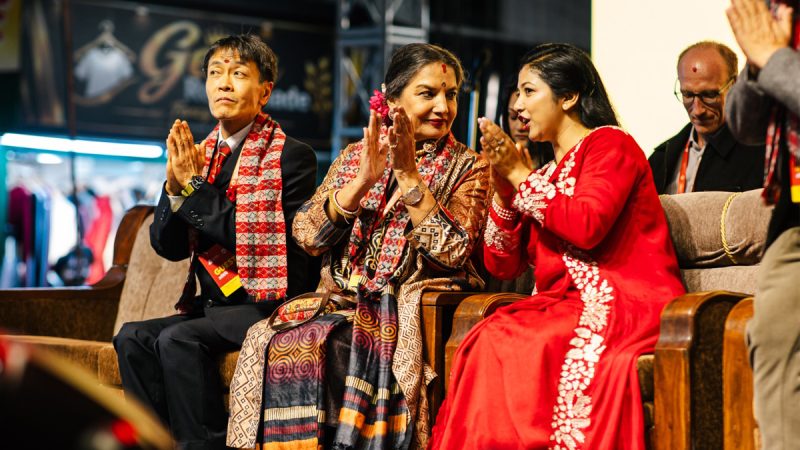
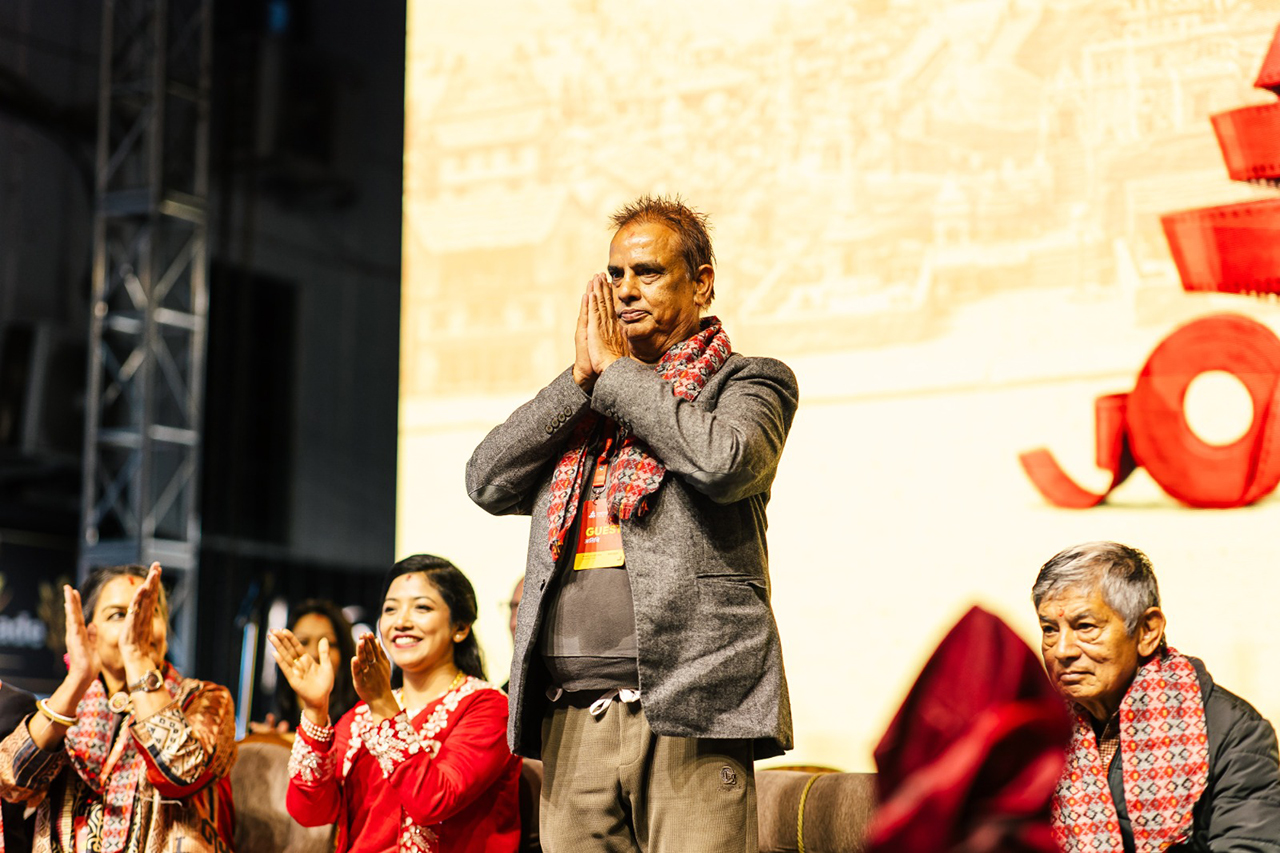
KATHMANDU: The Kathmandu Film Festival, organised by Kathmandu Metropolitan City, opened on Friday evening with a heritage walk and open-air cultural performances at Basantapur.
The opening brought together Nepali and international artists, heads of diplomatic missions, local government representatives and figures from the film industry.
Breaking away from a conventional opening ceremony, the festival began with music, singing and dance performances staged at traditional platforms, courtyards and temple steps across the Basantapur area. Guests watched the performances, with some also joining in the singing and dancing.
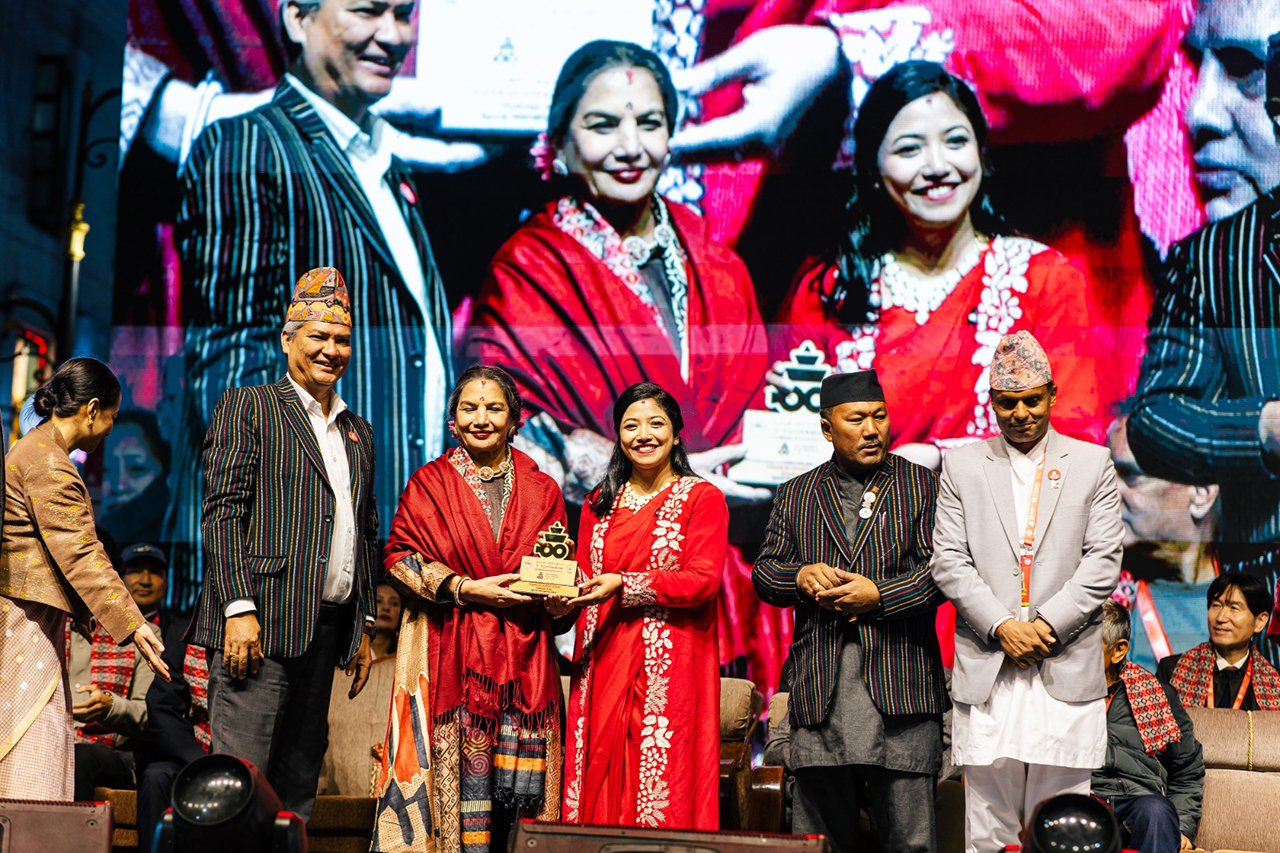
Indian actress Shabana Azmi, who attended the opening, described the festival as a distinctive initiative with an original cultural character, drawing on her experience of attending film festivals over the past 50 years.
She said the festival had started beautifully, but maintaining it over the long term would be the main challenge.
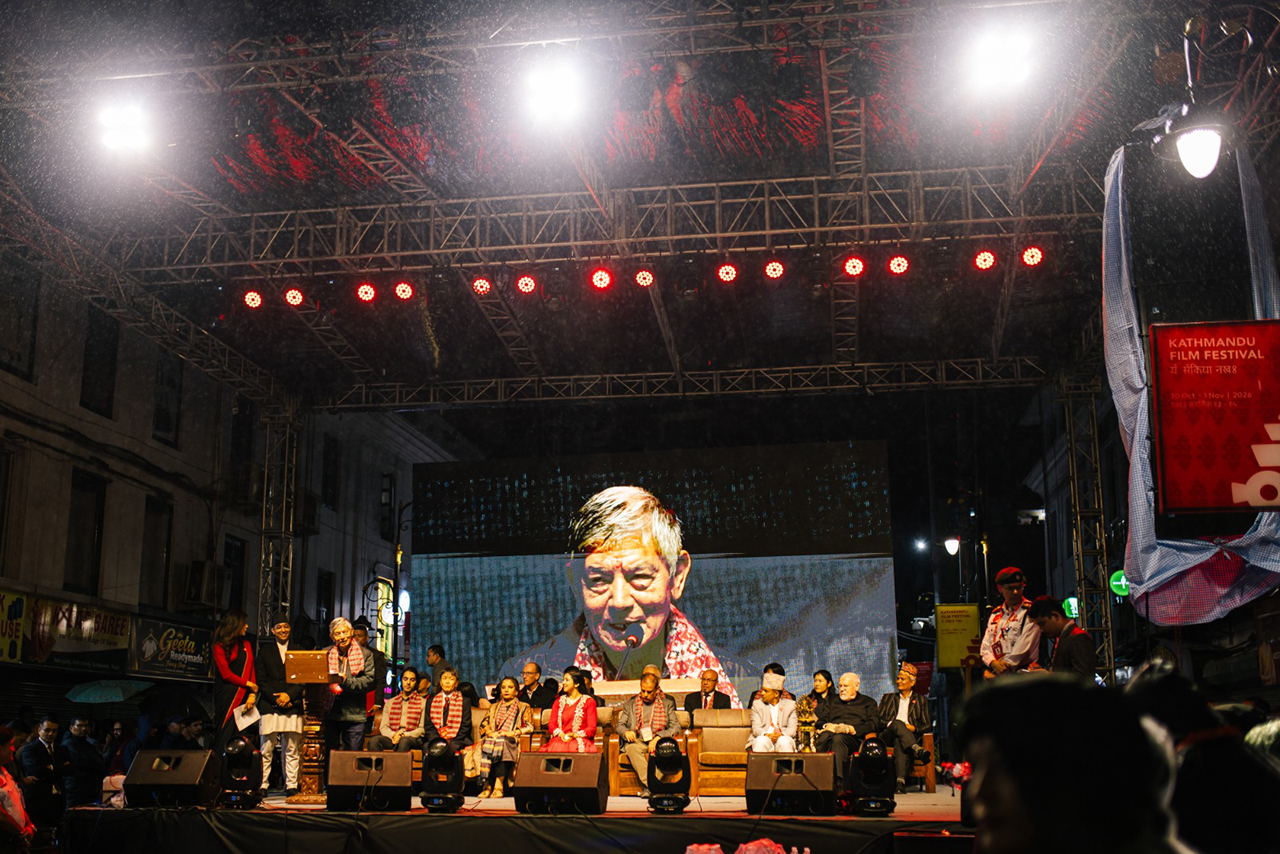
Jaco du Toit, head of UNESCO Kathmandu, described cinema as a powerful medium for creating dialogue between governments and different sectors of society. He said it was encouraging to see the city organise a festival that connected cultural activities with public access to heritage sites.
Du Toit said the film industry brings together professionals from different fields, including actors, technicians, creators, designers and marketing professionals. He encouraged the metropolitan city to expand such creative activities.
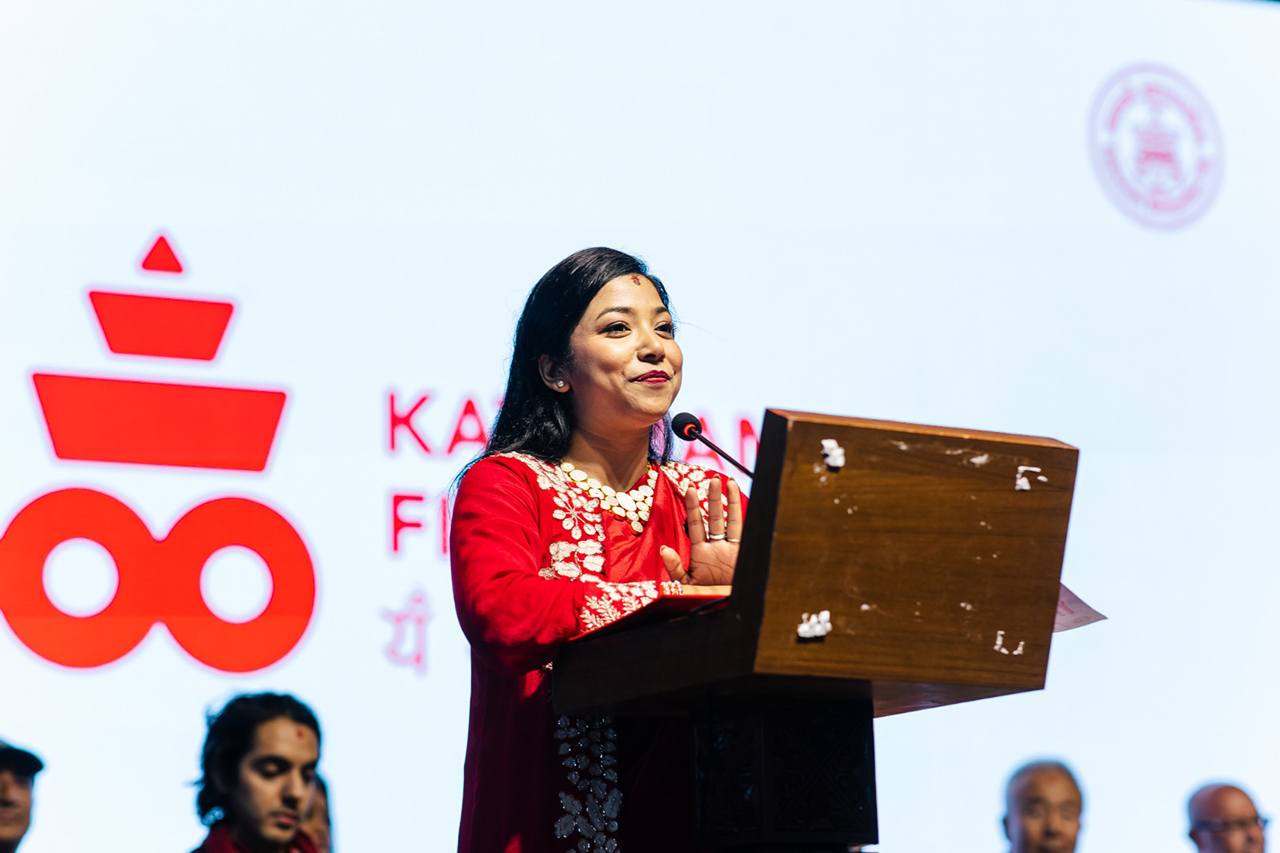
Sunita Dangol, acting mayor of Kathmandu Metropolitan City, said cinema should not be viewed merely as entertainment. Films can deeply influence how people think about subjects, objects, characters and situations, she said, adding that the festival was organised with a focus on the creative industries.
“Tall buildings and smooth roads alone do not define prosperity. Local languages, arts, literature and creativity must also be protected and passed on to future generations,” she said.
Dangol said the metropolitan city was prioritising creative industries under UNESCO’s Creative Cities Network. She added that efforts would continue to connect Kathmandu’s neighbourhoods, streets and settlements with international audiences through cinema.
Aashaman Sangat, coordinator of the metropolitan city’s Heritage and Tourism Committee, described the festival as part of the city’s broader goal of building a culturally vibrant and prosperous metropolis. He said the event had been made possible through the collective efforts of the city assembly, executive members and the metropolitan city.
The opening programme began with a heritage walk. Guests were welcomed with traditional tika at the Juddha Statue area before proceeding to Basantapur Dabali, where Guruju’s troop presented a traditional musical performance.
The group then visited Kumari Ghar to receive blessings from the living goddess Kumari.
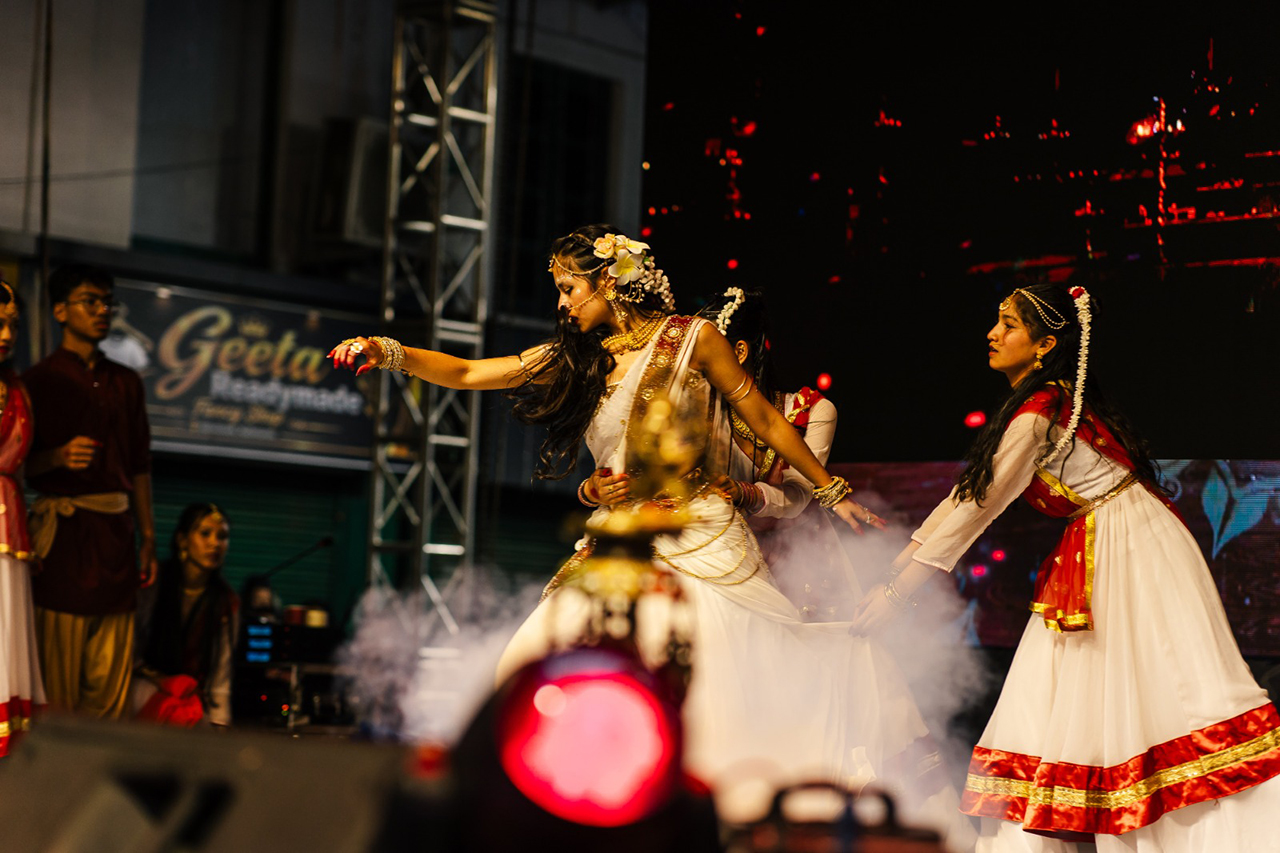
Further performances took place at heritage sites across the area. These included Ganesh Charya on the steps of the Narayan Temple in front of Gaddi Baithak, a traditional dance at Maju Dega Temple, a cultural orchestra at Shivaparvati Dabali and Ashtamatrika Charya dance in the Narayan Temple courtyard in front of Shwet Bhairav.
Bajrakala Kunj performed Ganesh Charya, while Nepa Dance Academy presented the traditional dance at Maju Dega. Kutumba performed the cultural orchestra, and UNX presented the Ashtamatrika dance. Nepal Police, local traditional music groups and the Armed Police Force also gave musical performances.
Nepali and international artists, heads of diplomatic missions based in Nepal, and mayors and deputy mayors from local governments across the Kathmandu Valley took part in the heritage walk and cultural programme.
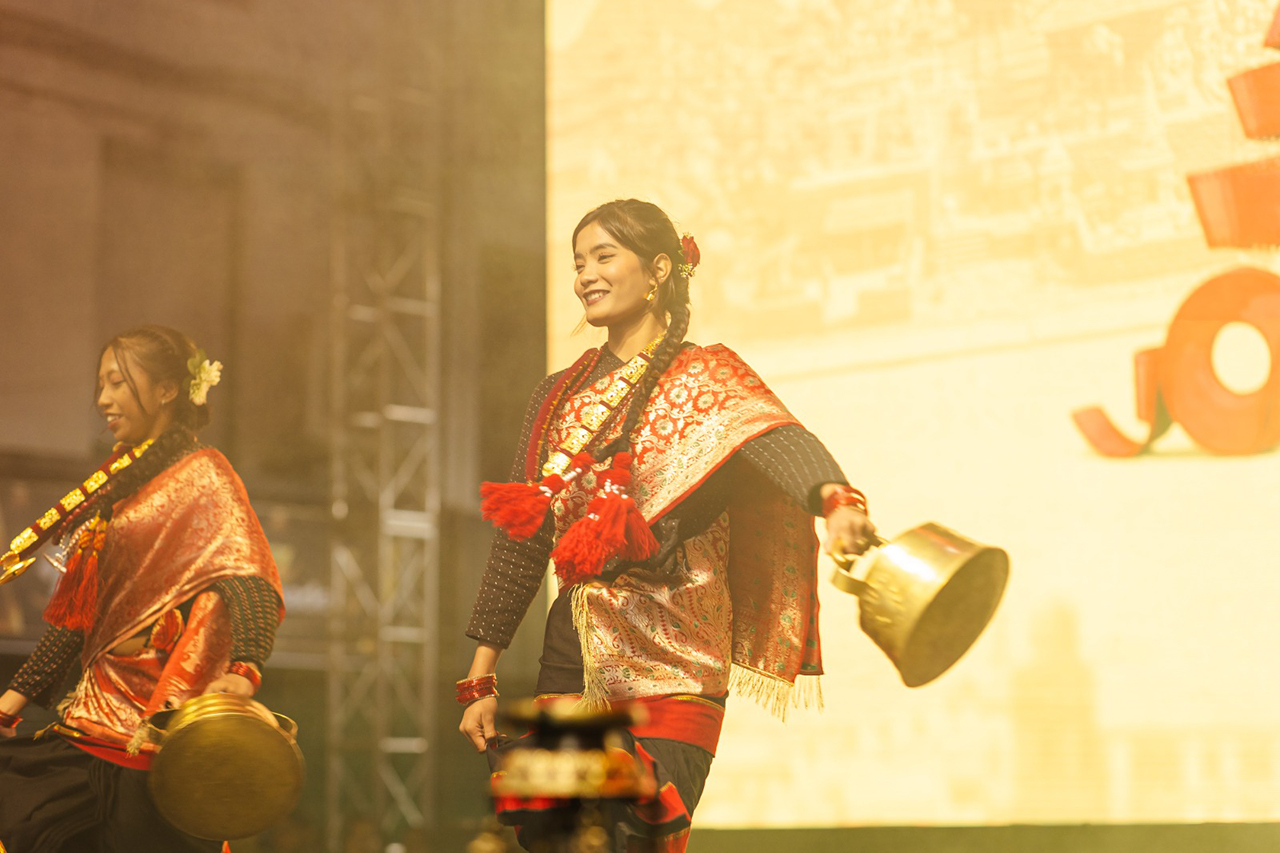
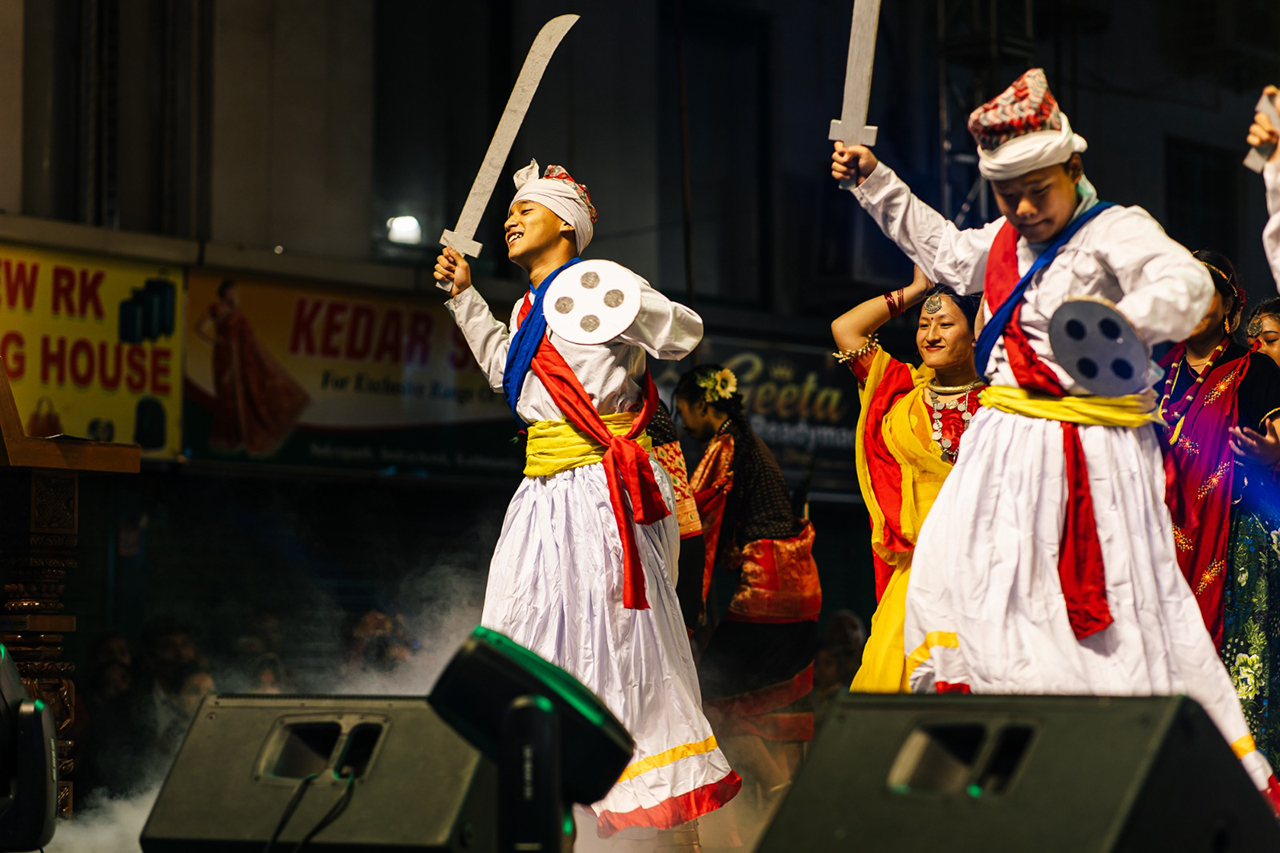
The opening programme also featured a performance by Munasa Nepal and a play titled Hasana (Message), directed by Armaya Nakarmi. Nepa Dance Academy presented Karkulla, alongside a performance showcasing the traditional costumes and dances of Indigenous communities from all seven provinces.
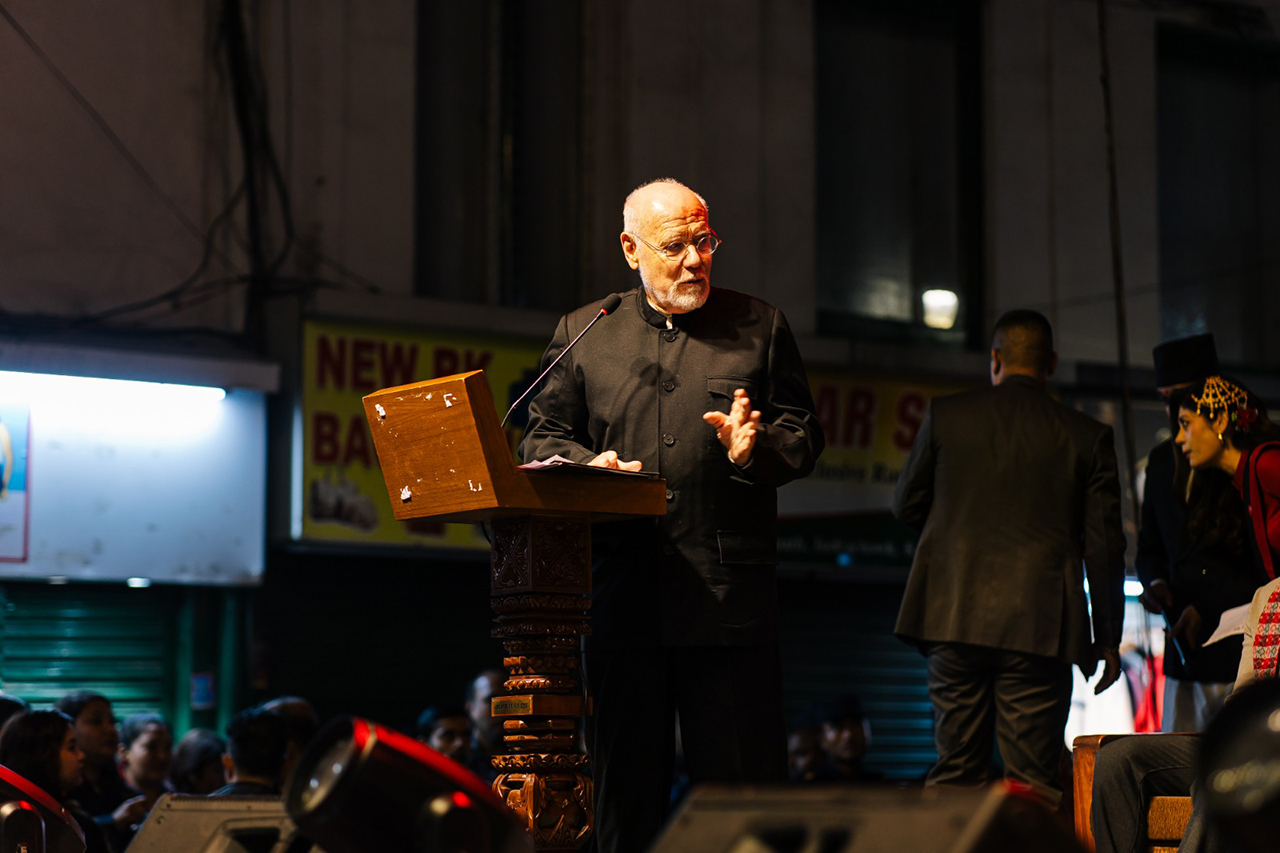
Marco Müller, distinguished professor at the Film Arts Research Centre of Shanghai Film Academy, who is in Kathmandu to conduct a festival masterclass, described the event as a festival initiated under young leadership.
He said the effort to connect cultural life and the Himalayan region with new dimensions of filmmaking was significant. He added that Kathmandu Metropolitan City’s decision to launch a film festival could send a new message to creative industries in South Asia and around the world.
Actor Hari Bansha Acharya said Nepal’s natural, cultural and historical heritage offered considerable potential for filmmaking and film locations. He said films could help expand Nepal’s international identity by bringing stories that represent the country to global audiences.
Actor Madan Krishna Shrestha described films and television series as effective tools for sharing information and education. Recalling an awards ceremony held in Kathmandu in 1986, when he received the Best Comedian award from Shabana Azmi, he thanked the metropolitan city for bringing them together on the same platform again.
Festival creative director Ayusha Shrestha highlighted women’s leadership as another distinctive feature of the event. She said women were leading the festival’s directorial team and that Kathmandu Metropolitan City also had a woman serving as acting mayor.




Comments
Share your opinion or feedback. Please keep comments respectful and constructive.